Only 45 of Top 100 Airlines Use SAF: CAPA-Envest Report
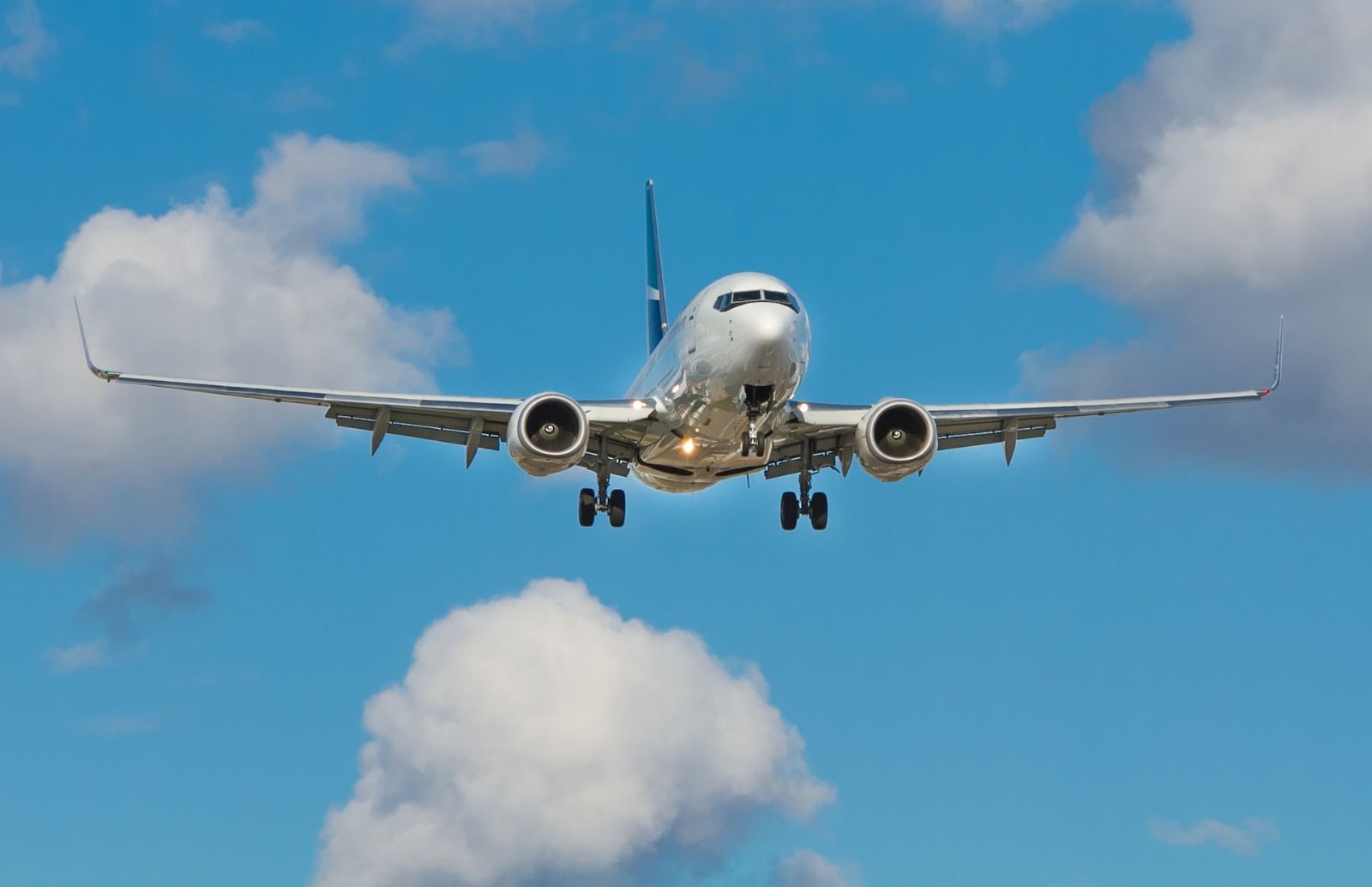
A new CAPA-Envest Sustainability report shows only 45 of the world's top 100 airlines used Sustainable Aviation Fuel (SAF) last year, accounting for a mere 0.7% of total fuel consumption. Global aviation emissions have risen 10% since 2019, crossing 1 billion tonnes in 2025, raising concerns about the industry's Net Zero 2050 goals.
Aviation's Net Zero Goals Face Reality Check
A fresh Sustainability State of the Industry Report by the Centre for Aviation (CAPA) and Envest Global has cast doubt on the aviation sector's progress toward its Net Zero 2050 commitments under ICAO's 2022 Carbon Offsetting and Reduction Scheme for International Aviation (CORSIA).
The report, which profiled the top 100 airlines and airline groups by seat capacity, found that global aviation carbon emissions have climbed 10% since 2019, with a 6.2% rise in just the last two years. For the first time, the industry's annual emissions have crossed the 1 billion tonne mark in 2025.
SAF Usage Remains Minimal
Sustainable Aviation Fuel (SAF), considered central to decarbonising air travel, continues to lag far behind targets. Only 45 of the 100 top airlines reported any SAF usage, and collectively it made up just 0.7% of total fuel consumed — roughly 1.9 million tonnes.
European carriers dominated SAF adoption, accounting for 70% of global consumption. Within that, IAG, Air France-KLM, and Lufthansa Group together represented 40% of SAF users. British Airways emerged as the single largest SAF consumer among full-service carriers, using two lakh tonnes last year.
Efficiency Leaders and Regional Trends
Among airlines, Wizz Air was ranked the most carbon-efficient, emitting 45.5 gCO₂ per seat-km — 35% below the industry median. Istanbul's Sabiha Gökçen Airport (SAW) topped the list of most carbon-efficient airports at 55 gCO₂ per ASK.
Regionally, North American carriers showed emission intensity 15% higher than the combined average of European, Asia Pacific, and South American airlines. Asia Pacific airlines posted the fastest improvement, cutting CO2 per revenue passenger kilometre by an average of 2.3% annually since 2023 — a trend relevant for Indian carriers as the region's aviation footprint grows.
Why Progress Is Slow
The report attributes the sluggish pace to global geopolitical and economic instability. "International crises are slowing global economic growth, disrupting trade, closing borders, increasing supply chain pressures and unsettling financial markets. All of this reduces the resources that both countries and the air travel sector have to dedicate to developing climate solutions," the report states.
Frequently Asked Questions
What is Sustainable Aviation Fuel (SAF)?
SAF is an alternative aviation fuel made from renewable sources that reduces carbon emissions compared to conventional jet fuel, seen as key to aviation's Net Zero 2050 goals.
How many of the top 100 airlines use SAF?
According to the CAPA-Envest report, only 45 of the top 100 global airlines reported any SAF usage, accounting for just 0.7% of total fuel consumed.
Which airline was most carbon-efficient?
Wizz Air topped the rankings with 45.5 gCO₂ per seat-km, 35% below the industry median, according to the report.
How much have global aviation emissions grown?
Global aviation carbon emissions rose 10% since 2019 and 6.2% in the last two years, crossing 1 billion tonnes for the first time in 2025.
Why is SAF adoption so slow globally?
The report cites geopolitical instability, economic disruption, and financial constraints as key factors slowing SAF adoption and broader aviation sustainability efforts.
Get Full Itinerary on WhatsApp
Share your details and we'll send you the complete travel plan!


